
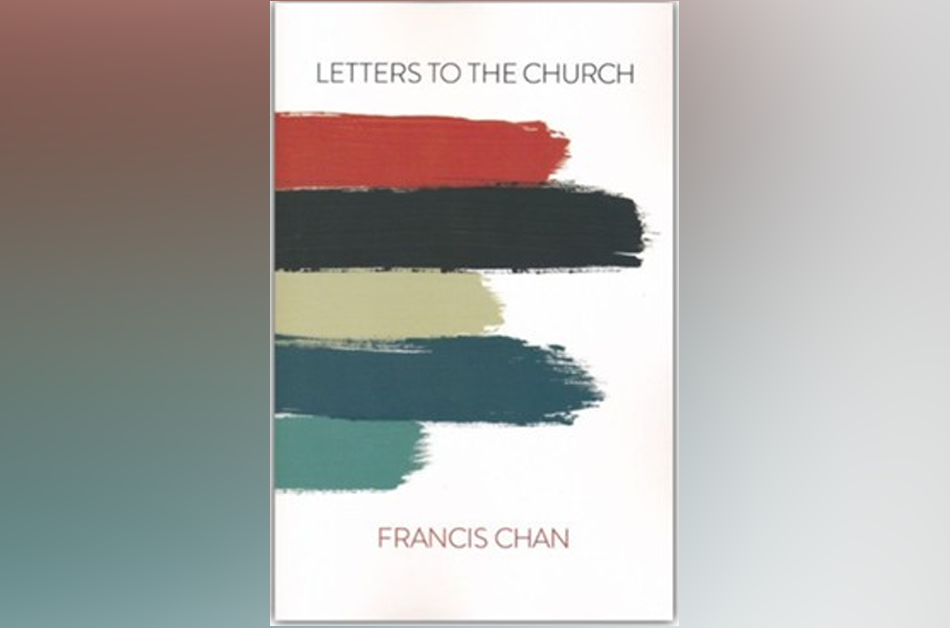
Date: 2018
Pages: 219
Author: Francis Chan
Why This Book Matters
Letters to the Church: by Francis Chan is written by a former megachurch minister that offers a loving critique of much of what drove his megachurch, what he has come to realize about church and where he believes things could head in the future. The book is not scholarly (it is accessible) and is very heartfelt and biblically backed (lots of scripture).
This book matters because it is written from someone who achieved what many think is the ultimate expression of church (large and in charge) only to realize it had some fatal flaws that must be discussed. The good news is, the book doesn’t end with loving critique. It ends with a glimpse at reconstruction. Chan is mature enough to not say his conclusions are the pattern for all to follow, while also sharing just how impactful home churches have been.
In between the deconstruction and leaving of the megachurch and reconstructing the home church, Francis Chan visited many different countries along the way that helped him gain a larger and deeper perspective for how God is using churches around the world and many of those examples make many of the churches in the States appear shallow and consumer oriented.
Core Message
God has a plan for His church that is not a perfect replica of the American church. God’s plan for His church is often far smaller, far more transformative and far more daring. It is not one that we are in control of, rather it is one that God is leading and in control of that we need to follow God’s lead on.
Chapter 1: Departure focuses on why Chan left his megachurch. He was starting to see that the idea of an audience and paid professionals did not build up the body of Christ, nor is it what we find in the New Testament. Even deeper than that, Francis realized that the love in the megachurch model was lacking and nowhere near what he experienced in many of the countries he visited. He realized that much of what we created was built on “personal preference rather than biblical conviction.” p.24
Chapter 2: Sacred talks about God’s idea of holy throughout the scriptures and how we have been made holy and are a temple of the Holy Spirit. This chapter is written to inspire a sense of renewed awe and wonder in us so that we might open ourselves to what could be.
Chapter 3: The Order is a chapter on tradition and how we have added so many things that we want to what God told us to do. He writes, “By catering our worship to the worshippers and not to the Object of our worship I fear we have created human-centered churches.” p.53 Instead, he says, we must devote ourselves to what pleases God instead. He spends the rest of chapter 3 explaining the elements listed in Acts 2:42-47 (the apostles teachings, the prayers, breaking of bread, etc) and how those are the things God has told us He wants when we gather.
Chapter 4: The Gang uses the illustration of gang life to critique how the church often lacks personal commitment to each other. This commitment is more specifically illustrated through love and unity and what that actually looks like in the church. Church should be more like a family than a gang is like a family and more like a family than a corporation.
Chapter 5: Servants is a plea to re-write the script on participation and roles. Elders aren’t business managers. They aren’t there to do the work for everyone. They are there to equip and to serve and to love. Participation by all is essential to the life of the church family. The fruit we have produced tells us how aligned we are with Christ. If the church isn’t producing the kind of fruit we see in the Bible, maybe we aren’t going about this how we see in the Bible.
Chapter 6: Good Shepherds is a chapter written to church leaders specifically. He warns them of 8 common traps church leaders find themselves in. He explains key qualities that are essential for Christian leaders: humility, love, prayer, being an equipper, being Spirit-filled, being on mission and suffering. The suffering part leads into chapter 7 and consumes much of the rest of the book.
Chapter 7: Crucified is a chapter outlining Chan’s developing view on suffering. This isn’t just about feeling pain. It is about surrendering to God no matter what the cost. He tells the story of learning from the Christians in China where they shared with him 5 pillars for house churches: 1) commitment to prayer, 2) commitment to God’s Word, 3) committed to sharing the Gospel, 4) regular expectation of miracles and 5) embracing suffering for the glory of Christ. He makes an important distinction that we are not to pursue suffering but to pursue Christ. Suffering is not the goal but it might be part of the process.
Chapter 8: Unleashed uses an illustration from the kids’ movie Madagascar – wild animals are confined to a tame environment in the zoo where all their needs are met. But deep inside of these animals is a longing to get back to the wild! That is a great illustration for “church”- we control everything and remove the risk and that is antithetical to what we find in the Bible or in other areas of the world where the church is exploding. He spends time on two specific things in this chapter: equipping and releasing our children rather than just keeping them safe and sending people on mission that produces fruit. He ends the chapter with a list of movements around the world that have exploded. God can do it!
Chapter 9: Church Again is Chan’s start over chapter. These are the things he is doing differently in this new season of ministry. He makes an important point that structure matters but it is also not dictated in the Bible. God gives us freedom and flexibility while also giving us principles, examples and guidance. Second, he talks about clearing out our church clutter to make more room for God. He gives a detailed list of what the house churches are trying to produce (pp. 176-180) and wraps up talking about the power of small, simple and scalable (reproducible).
Key Insights & Takeaways
- The church has been controlled rather than released and we need to do more equipping and sending
- There is power in small, simple and reproducible
- The goals many have set for church do not reflect what we find in the Bible
- Our traditions often clutter up our progress toward God’s objectives and purposes
- Meeting in homes is one way to be more focused on biblical ideals for the gathering
Strengths & Limitations
Strengths: The book is written humbly and with a lot of love, which helps us to not feel attacked but instead helps us to consider the critique and consider hard but essential adjustments.
Limitations: Some people won’t be ready for this book because they are used to church being done for them or they are used to (and paid to) do church for others and this puts their livelihood at risk.
Home Church Application
Most of the book is written toward people in traditional institutional churches. If you are in a home church, you will have a lot of reflection on previous church experiences and a lot of “amen!”s along the way.
One of the lists I included above are helpful for home churches to consider about how we are living out the gathering and whether or not we have perpetuated some of the very things we decided against in the traditional church.
About the Author
Francis Chan is a former megachurch pastor, author, speaker and now leader of We are Church. We are Church is an organization that helps people start home churches through training. Chan’s book Crazy Love was a bestseller. After decades in traditional church ministry, he stepped away, traveled Asia and eventually was called back to the States to apply what he had learned overseas and from his megachurch experience.
Related Reading
“In the Way” by Damien Gerke
“Spent Matches” by Roy Moran
“The House Church Book” By Woflgang Simson
Links are affiliate links that come at no extra cost to you.